|
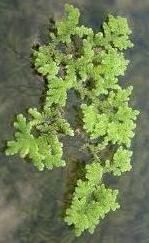
| hari pertama |
|
AZOLLA MICROPHYLLA KECIL UKURANYA BESAR MANFAATNYA
Sebelum saya mengerti apa dan bagaimana Azolla,awalnya saya budidaya ikan lele,dan ternyata memang benar dengan apa yg saya baca lewat blog2 yg memuat tentang budidaya ikan lele.pakan adalah termasuk faktor utama yg sangat mempengaruhi keuntungan dalam produksi selain faktor pengelolaan kolam dan ikan.
Semakin kita bisa mengurangi ketergantungan dengan pakan(pelet)pabrikan yg semakin hari semakin melambung harganya,tentunya semakin besar peluang keuntungan kita dalam budidaya ikan,misalkan dalam masa produksi kita membutuhkan total pakan 100kg, jika 50kg pakan separuhnya kita dapatkan dari pakan alami yg bisa kita dapatkan dari sekitar kita,tentunya yg protein dan kandungan vitaminya tidak kalah dengan pakan pabrikan,pasti lebih besar peluang keuntungan kita jika di banding 100% produksi kita menggunakan pakan buatan pabrik.setelah saya browsing untuk mencari aneka pakan alternatif untuk lele,dan saya mencoba satu persatu,ternyata adalah AZOLLA MICROPHILLA yang menjadi solusi terbaik bagi saya.karena Azolla
(1)berprotein tinggi,kaya akan vitamin sangat dibutuhkan bagi pertumbuhan ikan.
(2)sangat mudah kita budidayakan.
(3)sangat cepat berkembang biak.
(4)menyehatkan lingkungan sekitar
(5)dapat digunakan sebagai pakan unggas
(6)dapat digunakan sebagai pupuk bagi tanaman.
Nah..!!!maka dari itu saya sarankan bagi teman2 yg juga budidaya ikan,unggas dan tanaman,tidak ada salahnya jika mencoba membudidayakan Azolla microphylla agar kita bisa menghemat biaya produksi.
 |
| hari ke lima |
|
 |
| AZOLLA MICROPHYLLA |
|
Apa itu Azolla???
Azolla adalah nama tumbuhan paku-pakuan akuatik yang mengapung di
permukaan air.
Tumbuhan ini bersimbiosis dengan Anabaena azollae, alga
biru hijau (Cyanobacteria) dan Azolla sebagai inangnya atau rumah bagi
alga. Alga hidup di rongga yang ada di sisi permukaan bawah daun Azolla.
Dalam hubungan saling menguntungkan ini, Anabaena bertugas memfiksasi
dan mengasimilasi gas nitrogen dari atmosfer. Nitrogen ini selanjutnya
digunakan oleh Azolla untuk membentuk protein.
Sedangkan tugas Azolla
menyediakan karbon serta lingkungan yang ‘nyaman’ bagi pertumbuhan dan
perkembangan alga. Hubungan simbiotik yang unik inilah yang membuat
Azolla menjadi tumbuhan yang menakjubkan dengan kualitas nutrisi yang
baik.
Azolla memiliki beberapa spesies, antara lain Azolla caroliniana,
Azolla filiculoides, Azolla mexicana, Azolla microphylla, Azolla
nilotica, Azolla pinnata var. pinnata, Azolla pinnata var. imbricata,
Azolla rubra.
Azolla sangat kaya akan protein, asam amino esensial, vitamin
(vitamin A, vitamin B12 dan Beta- Carotene), mineral seperti kalsium,
fosfor, kalium, zat besi, dan magnesium. Berdasarkan berat keringnya,
mengandung 25 – 35% protein, 10 – 15% mineral dan 7 – 10% asam amino,
senyawa bioaktif dan biopolymer. Sementara kandungan karbohidrat dan
lemak Azolla sangat rendah. Komposisi nutrisinya membuat Azolla sangat
efisien dan efektif sebagai pakan ikan, ternak, dan unggas. Ternak
dengan mudah dapat mencernanya, karena kandungan protein yang tinggi dan
lignin yang rendah.
Percobaan pada hewan ternak penghasil susu, jika pakan dicampur
dengan 1.5 – 2 kg Azolla per hari menyebabkan peningkatan produksi susu
sebanyak 15%. Peningkatan kuantitas susu tidak saja karena kandungan
gizi Azolla saja, sehingga diasumsikan bukan hanya nutrien, tetapi juga
ada peningkatan komponen lain seperti karotenoid, biopolymer, probiotik
yang ikut meningkatkan produksi susu. Memberi pakan unggas dengan Azolla
meningkatkan berat ayam broiler dan meningkatkan produksi telur.
Pada tahun 2002 International Journal of Poultry Science, Bangladesh
mencobakan jumlah kandungan Azolla dalam ransum ayam broiler sebanyak
5%, 10%, 15%. Dalam jumlah 5%, sebenarnya ayam tumbuh lebih baik
dibanding pakan biasa. Pada 10% dan 15% berat badan hampir sama dengan
yang diberi pakan biasa, tetapi lemak di perut unggas agak berkurang.
Azolla juga dapat dijadikan pakan untuk biri-biri, kambing, babi, dan
kelinci. Di Cina, budidaya Azolla bersama dengan padi dan ikan
meningkatkan produksi beras sebanyak 20% dan ikan sebanyak 30%.
Azolla juga sangat mudah dibudidayakan
dan sangat ideal sebagai pupuk hayati (biofertilizer) atau pupuk hijau
untuk padi sawah. Permasalahan lahan di sawah adalah bahan organik tanah
dan nitrogen seringkali terbatas jumlahnya, sehingga dibutuhkan sumber
nitrogen alternatif sebagai suplemen pupuk kimia (sintetis). Salah satu
sumber N alternatif yang cocok untuk padi sawah adalah Azolla. Azolla
sudah berabad-abad digunakan di Cina, Vietnam dan Filipina sebagai
sumber N bagi padi sawah.
Suatu penelitian internasional di mana
Indonesia (Batan) ikut terlibat, menghasilkan temuan bahwa Azolla yang
bersimbiosis dengan Anabaena azollae dapat memfiksasi N2-udara sebanyak
70 – 90%. N2 yang ‘ditambang’ oleh Anabaena dan terakumulasi dalam sel
daun Azolla ini yang digunakan sebagai sumber N bagi padi sawah. Laju
pertumbuhan Azolla dalam sehari 0,355 – 0,390 gram (di laboratorium) dan
0,144 – 0,860 gram per hari (di lapang). Pada umumnya biomassa Azolla
maksimum tercapai setelah 14 –28 hari setelah inokulasi. Dari hasil
penelitian Batan diketahui bahwa dengan menginokulasikan 200 g Azolla
segar per m2 maka setelah 3 minggu, Azolla akan menutupi seluruh
permukaan lahan tempat Azolla ditumbuhkan. Dalam kondisi tersebut, dapat
dihasilkan 30 – 45 kg N/ha yang setara dengan 100 kg urea, yang
notabene adalah pupuk kimia !! Lapisan Azolla di atas permukaan lahan
sawah dapat menghemat penggunaan urea sebesar 50 kg urea/ha, kadangkala
bila musim sangat baik Azolla dapat menghemat sampai dengan 100 kg
urea/ha. Azolla tumbuh dan berkembang lebih baik pada musim penghujan
daripada musim kemarau.
 |
| kolam azolla microphylla |
|
Wow…betapa alam dapat memberikan sesuatu yang lebih dibanding yang dapat
dilakukan oleh manusia. Nah, jika kita punya kolam atau tangki besar
yang tidak terpakai seperti bath tub yang sudah tidak digunakan lagi,
sementara kita punya hewan ternak atau hewan peliharaan lain,
pikirkanlah untuk ‘beternak’ Azolla. Sekali saja butuh modal untuk
membeli, selanjutnya akan tumbuh dan berkembang dengan cepat. Jika tidak
punya ternak, tidak salah juga menumbuhkan azolla di kolam atau di pot
tanaman kita yang kita beri air. Azolla seperti super sponge, dapat
mengambil dan menyimpan air. Azolla juga menjaga tanah tidak ‘terganggu’
saat kita menyiram tanaman dalam pot.
Bagaimana cara memperbanyak Azolla ?
Dari hasil browsing, kira-kira seperti ini: Buatlah stok Azolla
dengan bak plastik atau di kolam yang tidak ada ikannya. Semprot stok
setiap 3 bulan sekali dengan pupuk P (satu sendok makan SP-36 per liter
air). Sebaiknya Sp-36 digerus halus agar mudah larut dalam air. Stok ini
digunakan untuk bibit yang akan ditanam di lapang.
Lalu bagaimana cara menggunakan Azolla ?
Setelah bibit Azolla tumbuh dengan baik, tebar Azolla bersamaan atau
satu minggu sebelum padi di bibitkan. Setelah lahan penuh dengan Azolla,
lahan dibajak agar Azolla terbenam. Selanjutnya dilakukan penaman padi
dan Azolla yang tidak terbenam dibiarkan tumbuh. Azolla yang tumbuh di
permukaan ini dapat mengambil N yang hanyut dan menguap, selain dapat
pula menahan pertumbuhan gulma yang menjadi pesaing padi.
Adapun pembiakan Azolla di kolam bisa dilakukan dengan mempersiapkan
lahan tanam persis seperti pengolahan tanah untuk bertanam padi. Bedanya
ketebalan tanah kolam dari dasar setidaknya antara 7-10 cm, lalu diberi
pupuk dasar N,P dan K, di genangi dengan air dan jangan dibiarkan
kering. Bila strain azolla didapat dari lapang jangan di tanam di kolam
besar yang terkena sinar matahari langsung. Sebaiknya di adaptasikan
dulu di kolam kecil untuk diadaptasikan dengan lingkungan yang baru.
Lalu baru ditransplantasikan ke kolam induk.
Seorang petani di Kyushu, Jepang T. Furuno berusaha keras tidak
menggunakan pestisida untuk menanam padi. Pekerjaan paling sulit adalah
menghilangkan gulma, yang akhirnya memunculkan ide menanam padi
digabungkan dengan ternak bebek. Bebek ternyata efektif menunaikan tugas
mengendalikan gulma dengan cara mengganggu permukaan tanah. Untuk
menyediakan nitrogen, azolla ditumbuhkan dalam sistem ini. Azolla
memberikan nitrogen bagi padi dan protein bagi bebek yang bertugas
menekan pertumbuhan gulma. Di lain pihak kontribusi bebek bagi azolla
adalah memberantas serangga penyerang azolla dan karena bebek selalu
bergerak, menyebabkan azolla tumbuh menyebar di luasan perairan
tersebut. Ekskreta (kotoran) bebek menjadi suplai fosfor bagi azolla.
Akhirnya sekarang kultur padi-bebek (rice-duck-azolla system) diadopsi
dan sudah umum diterapkan untuk persawahan padi organik.
International Rice Research Institute (IRRI) di Filipina dan
Universite Catholique de Louvain di Belgia telah menyimpan koleksi
plasma nutfah azolla hidup. Hingga tahun 1997 koleksi telah mencapai
sebanyak 562 aksesi yang meliputi semua species yang dikoleksi dari
seluruh dunia. Koleksi dipelihara dalam bentuk kultur ujung tunas
(shoot-tip agar cultures), yang ditransfer setiap 3-6 bulan. Di antara
koleksi tersebut terdapat jenis yang unik yang tidak dapat diperoleh
dari habitat alami karena (i) diperoleh dengan persilangan seksual (79
aksesi), (ii) Anabaena-free, hidup bebas tanpa simbiosis dengan Anabaena
(20 aksesi), (iii) azolla yang bersimbiosis dengan alga hijau biru
heterologous (6 aksesi), dan mutant (16 aksesi). Untuk mencegah
hilangnya aksesi hampir semua azolla koleksi IRRI dibuat duplikatnya di
Azolla Research Center, Fujian Academy of Agricultural Science (Fuzhou,
Fujian, China).
Bergantung dari sisi mana kita
melihatnya, di beberapa wilayah di negara lain yang suhunya lebih
hangat, Azolla dianggap sebagai pengganggu. Jika azolla tidak mati maka
akan membentuk lapisan tebal seperti selimut atau hamparan permadani
yang menutupi permukaan air sehingga menjadi pesaing tumbuhan air yang
tumbuh diperairan yang sama. Namun kondisi ini juga dapat menempatkan
peran azolla sebagai pengendali larva nyamuk (larvicide) di sawah.
Lapisan tebal azolla mengurangi laju difusi oksigen dari udara ke dalam
air sehingga membuat larva nyamuk kekurangan oksigen dan tidak sempat
menjadi nyamuk dewasa. Mungkin hal ini yang menyebabkan Azolla disebut
sebagai paku nyamuk (mosquito fern) selain sebagai paku air (water fern)
Sumber : http://doelghofoer.blogspot.com/

.jpg)